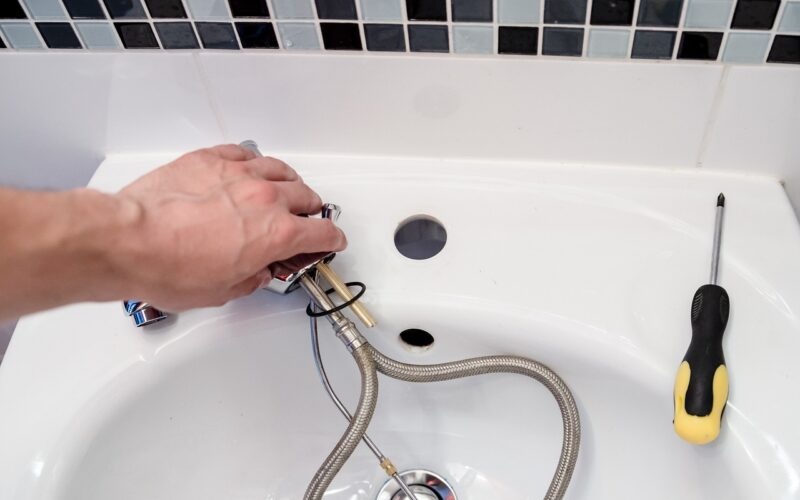
Renovating your home can be an exciting project, but it requires the right tools to get the job done properly. Whether you're planning a complete overhaul or making minor improvements, investing in quality equipment will save you time, money, and frustration. Here's what you need to know about buying tools for your home renovation.
Assess your project before you shop
Before heading to the hardware store, take time to plan your renovation thoroughly. Create a detailed list of tasks you'll be completing, from painting walls to installing new fixtures. This approach helps you avoid impulse purchases and ensures you're not left without essential equipment halfway through the project. Consider the scale of your renovation—a small bathroom update requires different tools than a full kitchen remodel.
Invest in quality basics first
Every home renovator needs a solid foundation of basic tools. A good hammer, screwdriver set, tape measure, spirit level, and utility knife should be your first purchases. These items will serve you across multiple projects and last for years if you choose well-made versions. Don't be tempted by the cheapest options—mid-range tools from reputable brands offer the best balance of quality and affordability for most DIY enthusiasts.
Know when to buy versus hire
Specialist equipment like floor sanders, tile cutters, or pressure washers can be expensive to purchase outright. If you're only using these tools once, hiring makes more financial sense. Many DIY stores and tool hire companies offer daily or weekly rental rates that are far cheaper than buying. However, if you're tackling multiple rooms or planning future projects, purchasing might be worthwhile. Calculate the hire costs against the purchase price to make an informed decision.
Consider power tool options carefully
Power tools can significantly speed up renovation work, but they represent a bigger investment. Cordless drills, sanders, and saws offer convenience and flexibility, making them popular choices for home renovators. When selecting power tools, pay attention to battery compatibility—many brands now offer systems where one battery fits multiple tools. This approach reduces costs and clutter in your toolbox.
Don't overlook safety equipment
Safety gear is just as important as the tools themselves. Protect yourself with goggles, dust masks, work gloves, and ear defenders where appropriate. Renovation work often creates dust, debris, and noise that can cause injury or long-term health issues. Quality safety equipment is relatively inexpensive and essential for any DIY project, regardless of size.
Shop smart and compare prices
Take advantage of seasonal sales, online deals, and loyalty programmes to stretch your renovation budget further. Compare prices across different retailers, both online and in-store. Second-hand tools can offer excellent value, particularly for items you'll use infrequently. Check online marketplaces and local selling groups, but inspect items carefully before purchasing to ensure they're in good working order. Remember that buying quality tools once is often cheaper than replacing poor-quality alternatives multiple times.